






From steam to rays: A comprehensive comparison between traditional saunas and infrared saunas

Saunas have proven themselves for centuries as an effective means of promoting health and relaxation. Today, we are faced with the choice between traditional saunas and modern infrared saunas (also called infrared cabins), each offering its own unique advantages. This article explores the differences in functionality, health benefits, and user experience of these two types of saunas to provide you with a comprehensive overview of the topic.
Function and design
Traditional saunas create an intensely warming atmosphere by heating the air in an enclosed space to high temperatures of approximately 80 to 100 degrees Celsius. This is achieved using a special stove powered by wood, gas, or electricity. The heat is transferred through the air, warming the entire body through convection. A key feature of the traditional sauna is the pouring of water onto heated stones, creating steam. This steam not only intensifies the perceived heat by directly stimulating the skin but also increases humidity, resulting in a deep sweating experience. The addition of aromas such as eucalyptus or birch to the water used for the steam infusion can have a further therapeutic and invigorating effect, enriching the sensory experience of using the sauna.
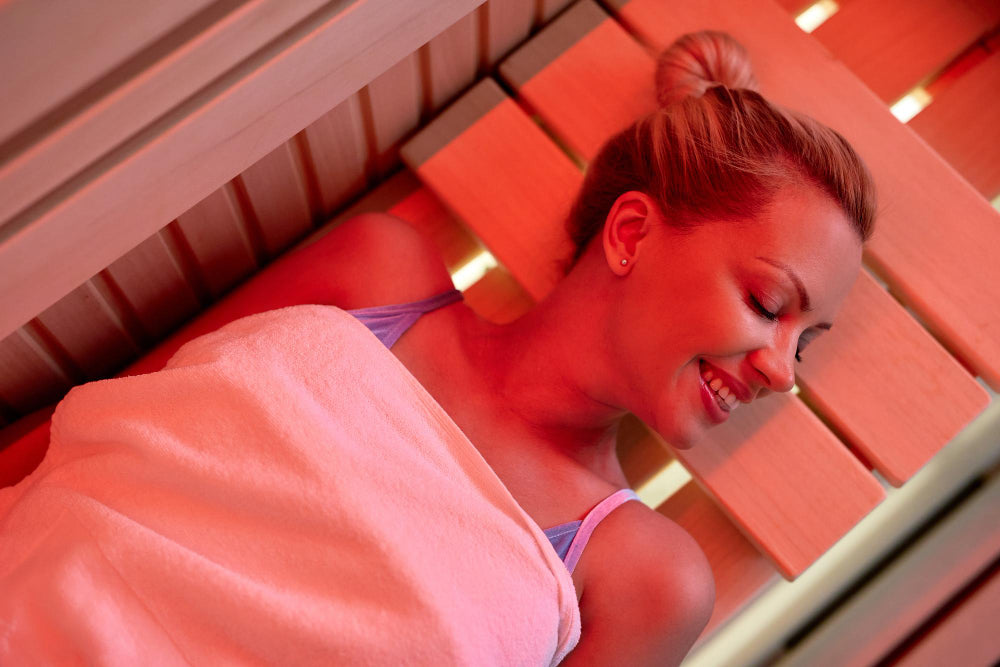
Infrared saunas or infrared cabins, on the other hand, use a completely different technique to warm the body. Instead of heating the air, they use infrared emitters that emit targeted infrared waves. These waves penetrate directly into the body tissue and generate heat from within. Because the air temperature in infrared saunas remains significantly lower than in traditional saunas, at around 40 to 60 degrees Celsius, the heat is perceived as less intense but deeper.
Health benefits
Among the primary effects of a traditional sauna is a significant increase in blood circulation. The heat causes blood vessels to dilate, accelerating blood flow throughout the body. This improved circulation supports the transport of oxygen and nutrients to the cells and facilitates the elimination of waste products. Furthermore, the heat creates a state that relaxes muscles and releases deep-seated tension. The sweating induced by the combination of heat and steam also contributes to detoxification by promoting the elimination of toxins through the skin.
Another significant aspect of the traditional sauna is its effect on the skin. The opened pores allow for deeper cleansing, removing impurities and improving skin health. Furthermore, regular sauna use is often associated with improved cardiovascular health. The heart has to work harder to compensate for the heat-induced temperature increase, which, similar to mild cardiovascular exercise, can improve cardiac function.
In comparison, infrared saunas offer a number of advantages over traditional saunas, making them an attractive alternative for many people. As mentioned above, one of the main advantages of infrared saunas lies in their ability to deliver heat directly to the body without significantly heating the surrounding air. This allows for deeper heat penetration into the tissues and muscles, resulting in more effective relief from muscle tension and pain. This type of heat therapy can be particularly beneficial for people with chronic pain or those who require targeted heat treatment.
Another significant advantage of infrared saunas is that the lower air temperatures allow users to enjoy longer sessions. This can promote relaxation while reducing the strain on the circulatory system, which is often a problem in traditional saunas due to the high temperatures. The gentler heat of infrared saunas is also better suited for people with heat sensitivity or certain health conditions.
Furthermore, the lower temperatures in infrared saunas promote gentle and sustained perspiration, which aids detoxification without overtaxing the body. This gentle detoxification process helps the body effectively flush out toxins while simultaneously reducing stress on the cardiovascular system.
User experience and comfort
The experience of using a traditional sauna can be described as intense and deeply cleansing, which is psychologically invigorating and provides a feeling of renewal. However, the heat and steam can be challenging for people with certain health conditions or a low tolerance for high temperatures.
Infrared cabins, on the other hand, offer a gentler and more accessible experience. They are ideal for people who want to enjoy the benefits of a sauna without the extreme heat. The direct heat from the infrared rays allows for deeper muscle relaxation and effective pain relief, without the air temperature being uncomfortably high.
Conclusion
In conclusion, both types of saunas have their place, and it's up to each individual to choose the right product. In any case, both solutions offer a range of positive effects that can be utilized.
For more information, visit our website or contact us directly on the number 0521 759 837 0.


Leave a comment